
Real estate lead funnels help agents guide potential clients from discovery to closing. By breaking the process into three stages – Awareness, Consideration, and Conversion – you can systematically attract, engage, and convert leads. Here’s a quick summary:
- Awareness: Use SEO, ads, and landing pages to attract attention and collect contact details.
- Consideration: Nurture leads with personalized email campaigns, live chat tools, and segmented communication.
- Conversion: Focus on fast responses, easy scheduling, and tailored property searches to close deals efficiently.
After closing, maintaining relationships with clients through follow-ups and personalized outreach generates referrals and repeat business. A structured approach ensures consistent results and stronger client relationships.
The ULTIMATE Real Estate SALES FUNNEL for Lead Generation
Getting Traffic and Leads: Top of Funnel
At the start of your sales funnel, your main job is to grab attention and connect with people who might not even realize they need your services yet. The strategy? Get noticed, provide something valuable, and encourage them to share their contact details.
Getting Traffic with SEO, Ads, and PPC
SEO is key to driving consistent traffic. When someone searches for "homes for sale in [your city]" or "how much is my house worth", your goal is to have your website right at the top. To do this, create content that answers common buyer and seller questions, using local keywords that resonate with your audience[1][2].
For example, first-time buyers might search for "what credit score do I need to buy a house", while sellers often ask, "how to price my home for sale." Writing blog posts, guides, or other resources that tackle these questions positions you as the expert they’ll turn to when they’re ready to act.
Facebook ads are a fantastic way to reach your local audience. You can target specific groups with ads that promote free home valuation tools, highlight featured listings, or offer downloadable resources like guides or checklists[2].
Google Pay-Per-Click (PPC) campaigns take a different approach by connecting with people actively searching for real estate services. Unlike Facebook ads, which pop up while someone scrolls through their feed, Google ads appear when someone is already looking for what you offer. This intent-driven traffic often leads to higher conversion rates, making PPC worth the investment even if the cost per click is higher.
Once you’ve driven traffic, a well-designed landing page can turn visitors into leads.
Building High-Converting Landing Pages
A landing page is where you turn visitors into leads. A strong landing page grabs attention and clearly communicates the value of your offer[4].
Start with a headline that hooks the reader and explains the benefit. For example, "Get Your Home’s Market Value in 60 Seconds" immediately tells visitors what they’ll gain.
Visuals are just as important as words. Use high-quality photos of homes or local neighborhoods to help visitors imagine their future, and keep the design clean and simple so they stay focused on your main call-to-action.
When it comes to forms, keep it short and straightforward. Ask only for essential details like name, email, and phone number[4]. Adding too many fields can scare people off. Place the form above the fold, use a contrasting color for the submit button to make it stand out, and include a quick privacy statement to build trust.
Once your landing page is ready, you can increase conversions by offering targeted lead magnets.
Lead Magnets That Work for Real Estate
Lead magnets give people a reason to share their information. The most effective ones solve a problem or satisfy curiosity. CT Automated Home Valuations are a great example. Homeowners love finding out their property’s value, and offering this information for free is a hard-to-resist deal[1][2].
Neighborhood guides are another great option. They showcase your local expertise while offering valuable insights. Include details about schools, amenities, upcoming developments, and market trends – things only a local pro would know[1][2].
For buyers, first-time buyer checklists are a hit. Buying a home can feel overwhelming, so a checklist that breaks down the process into simple steps – from pre-approval to closing – can be incredibly helpful[1][2].
The best lead magnets are quick to consume but packed with value. They build trust and show off your expertise, making people more likely to engage with you as they move through the funnel.
Keep in mind that different audiences are drawn to different offers. Sellers are more likely to respond to home valuation tools, while buyers might prefer checklists or local listings. By tailoring your lead magnets and personalizing follow-up content based on what someone downloads, you can address their needs more effectively[1][2].
Following Up with Prospects: Middle of Funnel
After generating leads, the next step is to nurture them. The middle of your funnel is where you focus on building trust, strengthening relationships, and guiding prospects toward making a decision. This phase relies on consistent, personalized communication tailored to each lead’s unique needs and timeline.
Setting Up Automated Email Campaigns
Automated email campaigns are essential for nurturing leads effectively. Tools like Brevo allow you to send timely, targeted messages based on a lead’s behavior and preferences.
For buyers, your email sequence could include tips on the home-buying process, insights into the local market, and guidance on pre-approval. Start with a welcome email to acknowledge their interest and set expectations for future content. Including local property listings that match their criteria keeps them engaged and focused on real options.
Sellers, on the other hand, need content tailored to their goals. Their emails might focus on staging advice, pricing strategies, and updates on market trends. Sharing market reports with recent neighborhood sales can help them see their home’s potential value.
Timing and relevance are critical. Start with emails spaced 2-3 days apart, then gradually shift to weekly updates. Personalization pays off – segmented email campaigns see 14.31% higher open rates and 100.95% higher click-through rates compared to generic ones[1].
Organizing Leads by Type
Once your automated emails are in motion, refining your segmentation strategy takes personalization to the next level. Group leads by buyer, seller, or investor, but go deeper to capture their specific circumstances.
Use tags to track lead behavior and interests. For example:
- Leads who download a first-time buyer guide can be tagged as "First-Time Buyer."
- Those requesting a home valuation might be labeled as "Potential Seller."
- Prospects browsing high-end listings can be tagged as "Luxury Buyer."
This detailed tagging allows for highly personalized follow-ups. Behavioral triggers make your outreach even sharper. For instance:
- If a lead clicks on emails about a specific neighborhood, add them to a sequence focused on that area.
- If they repeatedly open emails with selling tips, prioritize them for a consultation call.
Your CRM’s automation features can help you stay on top of these leads. For example, if someone views the same property three times, set a task to call them and suggest scheduling a showing. This proactive approach keeps leads engaged and prevents missed opportunities.
Using ChatSpark for Automated Support
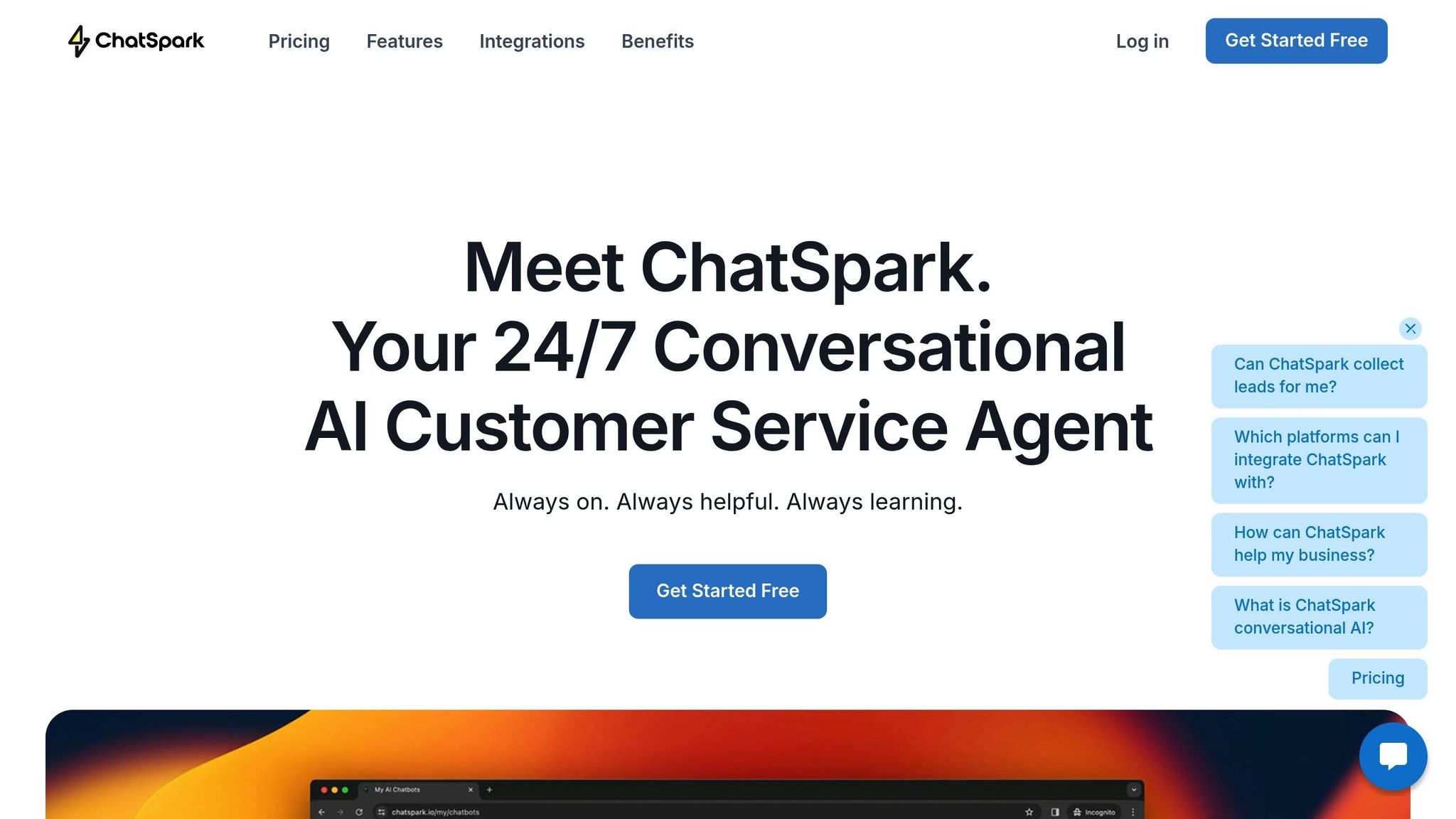
While segmentation ensures personalized follow-ups, live chat speeds up engagement. ChatSpark transforms your website into a 24/7 lead qualification tool. While email campaigns nurture leads in the background, live chat connects with prospects when they’re actively browsing your site and ready to engage.
ChatSpark’s strength lies in its ability to qualify leads instantly. For instance, when a visitor lands on your property search page, the chatbot can ask about their budget, timeline, and preferred neighborhoods. This information allows you to segment them immediately for tailored follow-up while they’re still on your site.
Conversational AI can increase lead qualification rates by 40% and reduce response times to under a minute[1]. This speed is crucial in real estate, where prospects often visit multiple agents’ websites. The agent who responds first and provides useful information is often the one who earns their business.
ChatSpark also helps address common questions that might otherwise cause prospects to leave your site. Queries like "What’s the average price in this area?" or "How long does the buying process take?" can be answered instantly, keeping visitors engaged. The chatbot can even suggest property matches based on their preferences, adding immediate value.
ChatSpark integrates seamlessly with your CRM, streamlining follow-up efforts. When a lead shares their contact information through the chat, it can automatically trigger email sequences and update your CRM. This ensures no lead slips through the cracks between live chat interactions and ongoing nurturing campaigns.
Speed is everything in real estate lead follow-up. Responding to leads within five minutes can boost conversion rates by up to 400% compared to slower responses[1]. ChatSpark makes this possible, even when you’re busy with showings or client meetings.
Closing Deals: Bottom of Funnel
At this stage, the focus is all about turning warm leads into clients. Success hinges on precision, speed, and a personal touch. Let’s dive into how efficient scheduling, tailored property searches, and quick responses can make all the difference in sealing the deal.
Scheduling Appointments and Meetings
Making scheduling simple turns interest into action. When a prospect is ready to move forward, a complicated booking process can derail their momentum. Tools like Calendly simplify this by syncing with your calendar, showing your availability in real-time, and sending automatic confirmations. ChatSpark takes it a step further, combining live chat with instant appointment booking – no manual back-and-forth required.
Automated scheduling tools can boost showings by 20-30% compared to manual methods[1]. The secret? Removing friction. When it’s easy to book, leads are more likely to follow through.
To maximize impact, place scheduling links where they’re most effective: on property listing pages, your contact page, and even in your email signature. For instance, if a lead keeps revisiting a specific property, your CRM can send an automated email inviting them to schedule a showing, complete with a booking link.
Providing Custom Property Searches
Once appointments are scheduled, keeping clients engaged with personalized property searches is key. CT IDX Pro+ is a powerful tool for delivering tailored property recommendations.
Unlike generic property listing sites, CT IDX Pro+ lets you create custom searches based on a lead’s preferences. For example, if someone downloaded your "First-Time Buyer Guide" and mentioned an interest in homes under $300,000, you can automatically showcase listings that fit their budget and preferred neighborhoods.
This tool keeps prospects on your site by giving them exactly what they’re looking for. With coverage across 650+ MLS markets, it ensures nearly every available property is included, no matter your location.
Behavioral triggers make this even more effective. Set up alerts for new listings that match a lead’s criteria, and send personalized emails featuring those properties. This shows you’re actively working for them and positions you as their go-to expert.
Why Quick Responses Matter
Speed can make or break a deal. 78% of buyers choose the first agent who responds to their inquiry[1], making quick replies a top priority.
Leads contacted within five minutes are 100 times more likely to engage than those contacted after 30 minutes[1]. Even responding within an hour makes agents seven times more likely to qualify leads[1]. This urgency exists because buyers and sellers often reach out to multiple agents at once.
To stay ahead, set up instant notifications for new inquiries – whether they come through your website, social media, or email. Push notifications on your smartphone ensure you’re alerted even during busy moments like showings. If you can’t respond immediately, automated acknowledgment emails can fill the gap, assuring the lead that you’ll follow up soon.
Personalization takes speed to the next level. Instead of sending a generic “Thank you for your inquiry” message, reference the specific property or question they mentioned. For example: “I noticed you’re interested in the 3-bedroom home on Oak Street. I’d be happy to show it to you tomorrow afternoon, along with a few similar options nearby.”
This blend of quick action and tailored communication shows professionalism and genuine interest, setting you apart from agents who rely on impersonal, delayed responses.
At the bottom of the funnel, it’s all about execution. Streamlined scheduling, custom property searches, and fast, personalized responses create a smooth, engaging experience that turns leads into loyal clients ready to close the deal.
After the Sale and Improving Your Funnel
Closing a deal is just the beginning. Building lasting relationships with clients is what turns one sale into a steady stream of referrals and repeat business. With over 40% of real estate transactions coming from past clients and their recommendations[1], it’s clear that nurturing these connections is essential for long-term success.
Staying Connected with Past Clients
The first couple of days after closing are critical for setting the tone of your ongoing relationship. Start with a personalized thank-you email. These follow-ups can have email open rates exceeding 50% if they’re timely and tailored to the client’s experience[1].
Make your message meaningful. Reference the specific property or a memorable moment from your collaboration. Maybe it’s a challenge you overcame together or a unique feature of their new home. This small gesture reinforces the positive experience they had working with you and keeps you in their thoughts.
A week or two after closing, reach out again. This time, ask for referrals and reviews. Make it easy for them by including direct links to platforms like Google, Zillow, or Realtor.com. Explain how their feedback can guide other families in choosing the right real estate partner. To encourage participation, consider offering a small token of appreciation, like a gift card to a local store or a discount on future services.
Getting Repeat Business from Past Clients
Keep your outreach relevant by segmenting your clients. Group them by transaction type – buyers, sellers, or investors – and tailor your communication to their ongoing needs[1]. For instance:
- First-time homebuyers might value home maintenance tips or seasonal reminders.
- Investors may appreciate market updates or insights into rental property trends.
Use your CRM to automate check-ins and create thoughtful touchpoints. For example, send a congratulatory message on their home anniversary or share neighborhood-specific market updates. These small gestures not only keep you top-of-mind but also position you as a trusted resource when they’re ready for their next move – or when someone asks them for a recommendation.
Automation tools like ChatSpark’s Zapier integration can make this process seamless. For example, if a past client visits your website or engages with emails about a specific neighborhood, the system can automatically send them personalized property updates or schedule a follow-up call. Seasonal greetings, local market insights, or invites to client appreciation events can also be part of your automated workflows. The key is to offer value, not just stay in touch.
Measuring and Improving Funnel Results
To refine your post-sale strategy, track metrics that reveal how well you’re maintaining relationships. Focus on data like client retention, referral rates, repeat transactions, and email engagement[1][2][3]. These numbers can highlight what’s working and where there’s room for improvement.
Tools like Google Analytics and Analytify can provide detailed insights into how past clients engage with your website[2][3]. For example, you can see which content gets the most attention, how often clients return to your site, and what prompts them to reach out for additional services.
A/B testing is another powerful tool. Experiment with different email subject lines or incentives to see what resonates most. For example, compare “Thank you for trusting me with your home purchase” with “Welcome to your new neighborhood!” to find out which drives more engagement. Similarly, test referral incentives – some clients might prefer charitable donations in their name, while others respond better to direct rewards.
Don’t stop with email campaigns. Test your landing pages for tools like CT Automated Home Valuations to see which designs encourage more leads from past client referrals. Experiment with different lead magnets to find what works best for various client segments.
By analyzing your results regularly, you’ll uncover patterns in your most successful client relationships. Use these insights to fine-tune your approach, from the first interaction to long-term follow-ups.
The best real estate professionals understand that closing a deal is just the start. By nurturing these relationships and using data to guide your strategy, you can build a business that grows stronger with every satisfied client.
Conclusion
In this guide, we’ve broken down every stage of the real estate lead funnel, showing how to turn prospects into loyal clients and even long-term partners. Building an effective funnel isn’t just about gathering leads – it’s about creating a well-oiled process that guides potential clients every step of the way, from their first interaction with your brand to post-sale follow-up.
Start by drawing in the right audience through targeted online efforts. Tools like landing pages and lead magnets – think automated home valuations or neighborhood guides – work wonders for capturing high-quality leads right away.
From there, nurturing those leads becomes essential. Automated drip campaigns are a great way to stay on their radar while providing valuable insights on topics like local market trends, buying tips, or selling strategies. The secret? Segment your audience. Buyers, sellers, and investors all have different priorities, so tailoring your messaging to their specific needs can make all the difference.
When it’s time to convert leads into clients, speed and personalization are your best allies. Quick responses, live chat tools, and automated scheduling systems can help you engage prospects when their interest is at its peak. Meanwhile, features like custom property searches keep them invested in what you have to offer.
The work doesn’t stop after closing. Post-sale follow-ups are vital for generating referrals and repeat business, which are the backbone of long-term success in real estate.
What sets top-performing agents apart is their commitment to constant improvement. Regular A/B testing on landing pages, email subject lines, and lead magnets helps pinpoint what resonates with your audience. Tracking conversion rates at each funnel stage highlights areas that need fine-tuning. By refining each step, you create a seamless process that not only attracts leads but converts them efficiently.
Here’s a powerful stat to keep in mind: nurtured leads make purchases that are 47% larger than those from non-nurtured leads[2]. This underscores why a structured approach beats sporadic marketing every time. With every touchpoint, you’re guiding prospects closer to closing – and setting yourself up for sustainable success.
FAQs
How can I use SEO and PPC to attract more traffic to my real estate landing pages?
To attract more visitors to your real estate landing pages, leveraging SEO and PPC effectively can make a big difference.
When it comes to SEO, start by identifying long-tail keywords that reflect local real estate searches, like "homes for sale in [City]". Build landing pages that are not only mobile-friendly but also packed with engaging content. Include visuals such as property photos and videos to keep users interested and improve your rankings on search engines. Additionally, publishing resources like neighborhood guides or updates on market trends can help draw consistent organic traffic over time.
For PPC, begin by defining your target audience and setting specific goals – whether that’s generating seller leads or showcasing particular properties. Platforms like Google Ads allow you to run location-focused campaigns that target local searchers. Use ad copy that grabs attention with offers like "Free Home Valuation" or "Work With an Expert Local Agent". Make sure your landing pages deliver on the promises made in your ads to boost conversions. Lastly, keep a close eye on your campaigns, tweaking them regularly to get the best results and a strong return on investment.
What are the best practices for designing real estate landing pages that convert?
To craft real estate landing pages that drive results, start with a headline that grabs attention and clearly communicates the benefit you’re offering – think along the lines of free home evaluations or detailed neighborhood insights. Pair this with high-quality visuals and a professional, uncluttered design that’s easy to navigate and instills trust.
Make sure to include a straightforward lead capture form placed prominently above the fold, so visitors can quickly provide their details. Incorporate social proof like client testimonials or success stories to reinforce trust and credibility. Finally, ensure the page is optimized for mobile devices and loads quickly to keep potential leads engaged.
How can automated email campaigns help nurture real estate leads and boost conversions?
Automated email campaigns can be a game-changer when it comes to nurturing real estate leads and turning them into clients. With tools like Brevo, you can set up drip campaigns that deliver customized content based on each lead’s preferences or where they are in the buying or selling journey. For instance, buyers might receive emails featuring local property listings or practical home-buying advice, while sellers could get insights on market trends or pricing strategies.
Timing plays a big role here. Sending follow-up emails within 24 to 48 hours after a lead shows interest helps you stay fresh in their minds. By segmenting your leads based on their actions – like inquiries or website activity – you can send targeted, relevant messages that build trust and keep them engaged. This personalized communication makes it much easier to guide prospects through your sales funnel and close deals effectively.


