
Buying a home is more emotional than logical. While facts like square footage and financing matter, emotions – such as identity, security, and aspiration – drive decisions. Understanding these psychological triggers can help Realtors connect with buyers on a deeper level, present homes more effectively, and close deals faster.
Here’s the key takeaway: Buyers imagine their future in a home before analyzing the numbers. Realtors who focus on lifestyle, use emotional storytelling, and blend it with practical facts can guide clients through the process more confidently.
Quick Tips for Realtors:
- Focus on lifestyle, not features: Paint a picture of how buyers might live in the home.
- Balance emotions with facts: Start with feelings, then provide logical backup like market trends or tax benefits.
- Tailor your approach: Identify if buyers are emotional, analytical, practical, or visionary and adjust your strategy.
- Use anchoring bias: Show a high-priced home first to set expectations.
- Address concerns empathetically: Acknowledge doubts and provide solutions.
Understanding buyer psychology isn’t just helpful – it’s a game-changer. By combining emotional insights with clear communication, you can build trust, reduce hesitation, and help clients find their dream home.
Understanding Buyer Psychology In Real Estate
How Emotions Drive Homebuyer Decisions
When buyers step into a home, they’re not just inspecting square footage or tallying up features. They’re imagining their future – how their life could unfold in that space. Emotions take the lead, while logic follows later to justify what their heart has already chosen.
Three key emotional factors influence every homebuying decision: identity, security, and aspiration. Identity reflects how buyers see themselves – are they the kind of person who belongs in a sleek, modern condo or a charming, historic Victorian? Security ties to their need for stability, both financially and emotionally. Aspiration is all about their dreams – whether it’s hosting memorable dinners, raising a family, or building long-term wealth.
This emotional lens changes how you should present properties. It’s not about rattling off a list of features – it’s about painting a picture of what life could look like. For instance, a buyer lingering in the kitchen isn’t just admiring the granite countertops; they’re picturing family breakfasts or holiday meals. A couple spending extra time in the backyard isn’t just calculating maintenance – they’re imagining summer barbecues or their kids playing on the grass.
Let’s dive deeper into how emotions shape buyer decisions and how you can frame properties to connect with their dreams and lifestyle.
How to Frame Properties Around Lifestyle
Selling a home is about selling a lifestyle. This means shifting your focus from features to experiences and from specs to stories.
Instead of saying, "This home has a spacious master suite", try, "Picture yourself starting your mornings in this peaceful retreat." Swap "The kitchen has stainless steel appliances" for "This kitchen is perfect for Sunday morning pancakes with the kids."
Location transforms into lifestyle when framed the right way. Don’t just mention school district ratings – talk about walking your kids to the bus stop or being home in time to share after-school snacks. Instead of listing nearby restaurants, describe romantic date nights where you stroll to dinner without worrying about parking.
Tailor your lifestyle framing to the buyer. For young professionals, highlight things like enjoying coffee on the balcony. For families, focus on spaces like a playroom that keeps kids nearby during dinner prep. For empty nesters, emphasize features like the convenience of a main-floor master suite.
Timing is everything when crafting this narrative. Use seasonal or milestone-specific examples to create emotional anchors. For instance, "This porch is made for watching summer thunderstorms" or "Imagine decorating this mantel for your first Christmas here." These vivid connections help buyers remember the home long after the showing is over.
Combining Facts and Feelings in Your Sales Pitch
While lifestyle framing tugs at the heartstrings, facts are what seal the deal. To build trust and confidence, blend emotional storytelling with practical information.
Great agents know how to balance both. Buyers need the emotional pull to fall for a home, but they also need logical reassurance to feel confident about their decision.
Start with emotion, then back it up with facts. For example, when showing a home office, you might say, "This space gives you the quiet focus zone you’ve been craving", then add, "Plus, with current tax benefits for home offices, this room could help lower your annual tax bill." Lead with the feeling, then follow with the numbers.
Layer information strategically. During the initial walkthrough, focus on lifestyle and emotional appeal. Save the data – like market trends or comparable sales – for later conversations, once buyers are already emotionally invested. Overloading them with stats too early can distract from their connection to the home.
Use social proof to bridge emotions and logic. For example: "The previous owners loved how the open floor plan kept their family connected during busy weeknights." This not only appeals emotionally but also validates the home’s practicality.
Even financial details feel less daunting when tied to emotional value. Instead of saying, "The property taxes are $8,400 annually", try, "For about $700 per month in property taxes, you gain access to an award-winning school district that makes this area so desirable for families." The same figure feels different when linked to a meaningful benefit.
Address objections upfront by reframing concerns. If a buyer hesitates over the price, acknowledge their feelings: "I know this feels like a big investment – it’s completely normal to feel that way when making such an important decision." Then follow up with logic: "Let’s take a look at how homes in this neighborhood have appreciated over the past five years and what that could mean for your financial future."
Finally, remember that every buyer has a unique balance of emotional and logical needs. Analytical buyers may need more data to feel secure, but they still need an emotional connection to take the leap. On the other hand, emotionally driven buyers may lead with their heart but will still need logical validation to move forward with confidence. Tailor your approach to meet them where they are.
Using Mental Shortcuts to Influence Buyer Behavior
When buyers evaluate their options, they often rely on mental shortcuts to make quick decisions. One of the most influential of these shortcuts is anchoring bias, which significantly shapes buyer expectations.
Anchoring Bias: How First Impressions Shape Buyer Expectations
Anchoring bias occurs when the first piece of information a person encounters becomes the reference point for all subsequent judgments. As one expert puts it:
"The Anchoring effect – is a cognitive bias that over indexes the first piece of information offered (the ‘anchor’) when making decisions." [1]
In real estate, this means that the initial price you present – or the first property you show – can set the tone for how buyers perceive value. For example, if you start by showing a high-priced home, it can make the next, more affordable property seem like a great deal.
To take advantage of this, consider strategically sequencing the properties you show. Start with a "benchmark" home that establishes a favorable high anchor. Kasey Jorgenson, Founder of Jorgenson Group at Keller Williams Realty, explains:
"The anchoring effect is people’s tendency to place more weight on the first piece of information they receive. In real estate, this means that the first price buyers see will become their reference point." [2]
Using tools like a comparative market analysis can help justify the initial anchor and align expectations for both buyers and sellers. This approach not only influences how buyers perceive value but also helps ensure pricing strategies are more effective.
However, be mindful of the "anchoring premium." Buyers may overpay if their initial reference point is set too high [3]. This effect is particularly pronounced when buyers are uncertain or unfamiliar with the local market. Understanding this behavior allows you to guide buyers more effectively and refine your pricing and presentation strategies.
Tailoring Your Approach to Different Buyer Types
To truly connect with potential buyers, it’s essential to adjust your approach based on their unique preferences and decision-making styles. Some buyers rely heavily on data, while others are drawn to the emotional appeal of a home. Pay close attention to their questions, the features they emphasize, and their reactions during property showings – these clues can help you identify their buyer type and tailor your strategy for maximum impact.
Analytical Buyers: Focus on Data and Facts
Analytical buyers are all about the numbers. They want to dive into the details – comparable sales, inspection reports, and market trends – before making a decision. These are the buyers who come prepared with spreadsheets and spend countless hours researching neighborhoods and property values.
When working with analytical buyers, bring hard data to the table. Share recent comparable sales, highlight trends in the neighborhood, and provide detailed property statistics like square footage and days on the market. Instead of vague statements like "This area is popular", back it up with facts about price trends and market activity.
Your expertise in interpreting data is especially valuable to these buyers. Help them make sense of the numbers and explain how different factors – like market conditions or property upgrades – could influence their investment. By presenting clear, objective information, you’ll build their confidence and guide them toward a well-informed decision.
Emotional Buyers: Highlight Style and Comfort
Emotional buyers rely on their feelings to guide their decisions. They’re drawn to homes that evoke a sense of warmth and belonging, picturing themselves enjoying family dinners or unwinding in a cozy living room.
To connect with emotional buyers, focus on lifestyle and comfort. Instead of emphasizing stats like square footage, paint a picture of how the home can enhance their everyday life. Talk about how the natural light floods the living room, creating a perfect spot for morning coffee, or how the backyard could host summer barbecues and family gatherings.
Storytelling works wonders with these buyers. Share anecdotes about the home’s history or the neighborhood’s sense of community – like how the current owners hosted holiday celebrations or how friendly neighbors organize block parties. These personal touches help them form a deeper connection to the property.
Practical Buyers: Emphasize Convenience and Costs
Practical buyers are all about functionality and long-term affordability. They’re looking for a home that fits seamlessly into their daily routines and aligns with their budget. Expect detailed questions about commute times, utility costs, and maintenance needs.
For practical buyers, lead with the home’s convenience and cost-saving features. Highlight its proximity to schools, grocery stores, or public transportation. Point out energy-efficient upgrades, reasonable property taxes, and other perks that make the home a smart financial choice.
Be transparent about ongoing costs like HOA fees, utility bills, and maintenance expenses. These buyers value a clear breakdown of what homeownership will look like day-to-day, so show them how the property can simplify their life while staying within their financial plans.
Visionary Buyers: Show Upgrade Potential
Visionary buyers are excited by possibilities. They see potential in fixer-uppers, investment properties, or unique spaces that can be transformed into something extraordinary. These buyers aren’t afraid of a little elbow grease – they’re inspired by what could be.
When working with visionary buyers, highlight the property’s potential. Talk about its solid structure or unique features that could be enhanced with upgrades. Suggest ideas like creating an open floor plan by removing a wall, converting a basement into a home office, or using the lot for an addition.
While you don’t need to offer specific contractor recommendations, you can discuss general renovation timelines and considerations to help them plan their projects. If appropriate, connect them with architects or designers in your network who can help bring their vision to life. By focusing on what the home could become, you’ll inspire their creativity and enthusiasm.
Communication Techniques That Build Trust and Close Deals
Real estate success isn’t just about finding the right property for a client – it’s about building a connection, understanding their needs, and guiding them through what is often one of the biggest decisions of their lives. The way you communicate can be the deciding factor between a buyer walking away or signing on the dotted line.
By honing your communication skills, you can turn psychological insights into actionable trust. It’s not just about understanding buyer behavior; it’s about using that understanding to create meaningful interactions.
Building Connection Through Body Language and Listening
First impressions often begin before you say a single word. An open posture, steady eye contact, and a firm handshake can set a positive tone and establish trust right away[4].
Mirroring your client’s gestures and tone is another way to build rapport. When you align your energy and pace with theirs, it creates a sense of understanding and comfort[4].
Active listening is equally important. This means giving your full attention to what the buyer is saying, asking thoughtful questions, and summarizing to confirm you’ve understood their needs[4]. Aim to listen 70% of the time and speak only 30%[5]. When buyers feel genuinely heard, they’re more likely to share key details that can help you make tailored recommendations.
Questions That Help Buyers Open Up
Open-ended questions can turn a routine conversation into a meaningful dialogue. These types of questions encourage buyers to share their vision and priorities, giving you deeper insight into what they’re looking for[4][7]. For instance, instead of asking, "Do you like this kitchen?" consider these alternatives:
- "What matters most to you in your new home?"
This helps uncover their core priorities beyond just the features. - "Tell me about your ideal neighborhood."
This reveals what they value in terms of lifestyle and community. - "What do you envision doing in this space?"
This allows buyers to imagine how the home could fit into their daily lives. - "How do you see your family using the backyard?"
This shifts the focus from the physical space to the experiences it can provide.
These kinds of questions steer the conversation toward the buyer’s lifestyle and aspirations, helping you better align your recommendations with their goals. They also make it easier to address concerns when they arise.
What to Say When Buyers Have Concerns
Every buyer has questions or reservations, whether it’s about price, timing, or the responsibilities of homeownership. Addressing these concerns with empathy and clear information can bolster trust and confidence.
If a buyer is worried about price, you might say:
"I understand the price feels high. Let’s take a look at how home values in this area have risen over the past five years. That trend suggests strong potential for future equity growth."[6]
For those unsure about timing:
"I know this can feel overwhelming. Would it help to review current market conditions together? That might make the timing clearer."[6]
When you approach concerns with understanding and facts, buyers are more likely to feel reassured and ready to move forward.
Closing Techniques That Get Buyers to Say Yes
Building on the psychology of buyers, these closing techniques focus on emotional understanding to secure a commitment. The decision to move forward often stems from effective relationship-building and clear communication. Instead of relying on high-pressure tactics, successful agents guide buyers by addressing their concerns thoughtfully and creating a natural path toward a decision.
How to Handle Buyer Doubts and Concerns
When buyers hesitate, your first step should be to acknowledge their concerns rather than dismiss them. Common worries include uncertainty about price, fear of overpaying, timing, long-term value, hidden defects, financing, or whether the property fits their lifestyle.
Validating their concerns is key. A simple statement like, "It’s smart to think about long-term value", helps buyers feel understood and builds trust. This approach reassures them that their concerns are reasonable and worth discussing.
Once their feelings are acknowledged, shift the focus toward solutions and positive outcomes.
For example, if timing is an issue, you might say, "Many buyers have similar concerns, but here’s how this home has performed in the market." This normalizes their hesitation while providing objective reassurance.
You can also use third-party validation to ease doubts. Comparable sales, neighborhood statistics, appreciation trends, lender pre-approvals, or inspection reports can reduce emotional barriers and make buyers feel more confident about their decision.
With their concerns addressed, the next step is to build momentum in a way that feels natural, not forced.
Making Buyers Act Fast Without Being Pushy
Creating urgency without pressure requires a careful balance. The goal is to keep buyers informed so they feel in control of their decisions.
The scarcity principle can be effective when used honestly. For instance, you might mention limited inventory, recent offers, or upcoming open houses: "This property has generated a lot of interest." Statements like this highlight competition without applying direct pressure.
Time-sensitive opportunities, such as expiring incentives or favorable market conditions, can also nudge buyers forward. For example, you could say, "If you’d like, I can check if any other offers have come in." This keeps buyers engaged while letting them make the next move.
It’s crucial to mention competitive interest only when it’s genuine – false urgency can damage trust. Instead, focus on empowering buyers to make informed decisions rather than rushed ones.
Open houses with multiple visitors can naturally create a sense of urgency. When buyers see others interested in the same property, it reinforces their positive feelings and encourages them to act.
Once urgency is established, it’s important to guide buyers toward the next logical step.
Moving Buyers Forward with Next Step Language
"Next step" language focuses on guiding buyers through the process rather than pushing for a final decision. This approach minimizes pressure while maintaining momentum.
Here are some effective phrases to use:
- "Would you like to schedule a second showing this week?"
- "Should I prepare an offer draft in case this home gets picked up quickly?"
- "Can you imagine your family enjoying this space? What would a typical weekend look like here?"
- "Would it help if I connected you with a lender to explore financing options?"
- "If you’re interested, I can draft an offer for your review – no obligation, just so you’re ready if you decide to move forward."
This consultative approach helps buyers visualize progress and feel prepared without feeling rushed. When buyers emotionally connect with a property and can picture their future there, they’re often more willing to overlook small imperfections or adjust their budget. Your role is to strengthen that connection while offering the practical support they need to move forward with confidence.
How Real Estate 7 Tools Support Psychology-Based Selling
Understanding what drives homebuyer decisions is only part of the equation. Real Estate 7’s specialized tools help you take these insights and turn them into actionable strategies. By addressing key psychological triggers, these tools enable you to connect with buyers on both emotional and logical levels, making your sales approach more effective.
CT IDX Pro+: Tailored for Data-Driven Buyers
Some buyers thrive on data – they need detailed market information before making any decisions. CT IDX Pro+ is built with these analytical personalities in mind, offering coverage in over 650 MLS markets across the country.
This plugin integrates seamlessly with WordPress, creating listing pages that are not only visually appealing but also optimized for search engines. Analytical buyers searching online will easily find your detailed, indexed property listings.
With features like advanced search options, buyers can filter properties by criteria such as square footage, lot size, price per square foot, and neighborhood stats. The side-by-side comparison tool makes it simple for them to evaluate options, satisfying their need for thorough analysis.
The real-time API updates ensure property data is always current, which is critical for buyers who cross-check information from multiple sources. When they see consistent and accurate data on your site, it builds the trust they need to move forward.
To maximize the impact of this tool, highlight its extensive market coverage during consultations. When analytical buyers see you have access to the data they value, they’ll view you as a trusted advisor rather than just another agent.
CT Automated Home Valuations: Establish Trust and Generate Leads
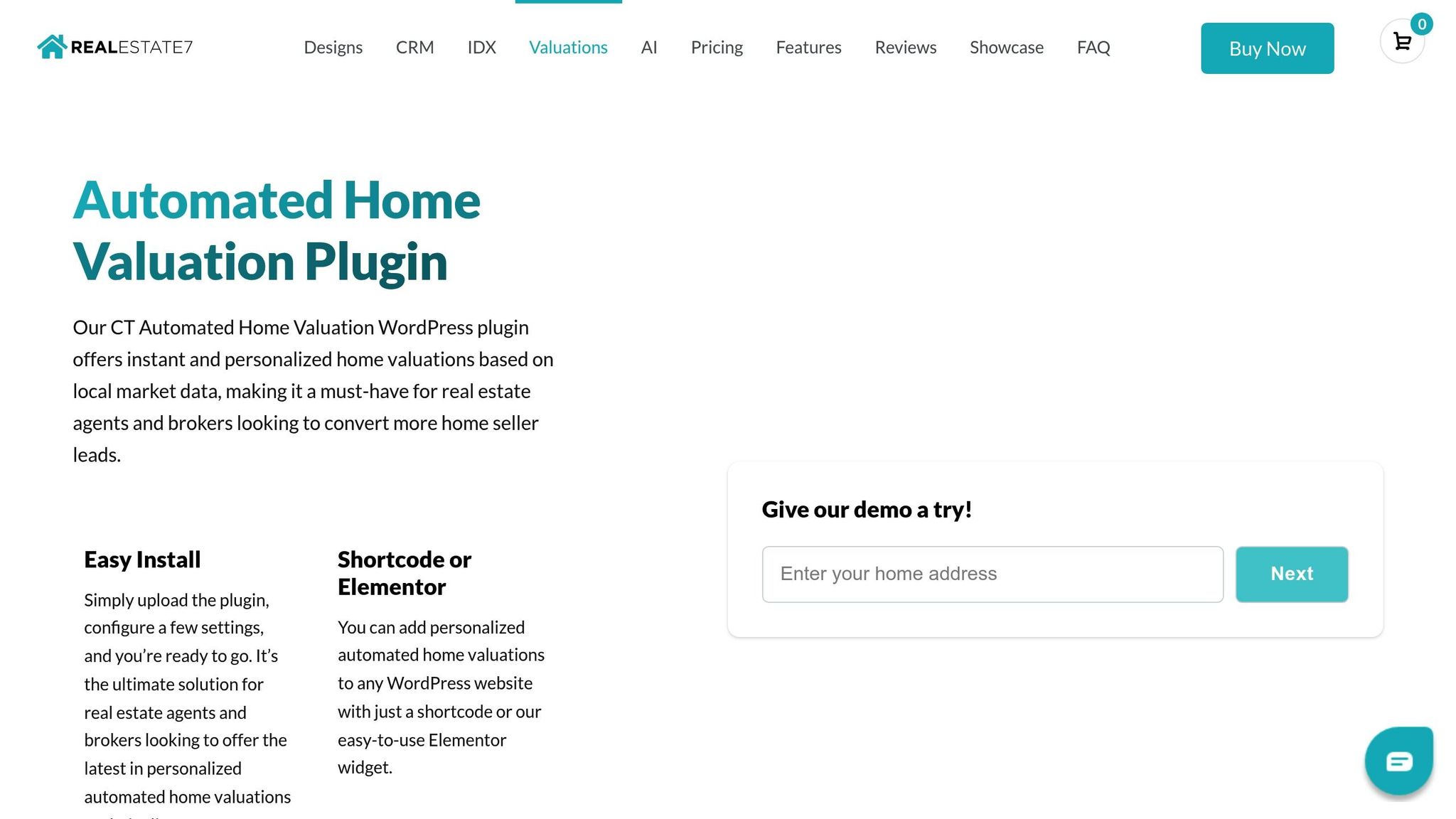
The CT Automated Home Valuations plugin is a lead-generation powerhouse that taps into key psychological principles. By offering buyers valuable insights – like their home’s worth or property values in specific neighborhoods – you attract their attention while building credibility.
This tool uses anchoring bias by providing an initial price reference point. For example, you can encourage buyers to check valuations on similar properties before introducing them to your featured listings.
It also leverages reciprocity: when you provide free, valuable information, buyers are more likely to engage with you in return. This opens the door for meaningful conversations and relationship building.
For practical buyers focused on costs and value, automated valuations offer the financial clarity they need. They can quickly determine if a property aligns with their budget and goals without feeling pressured.
Additionally, the tool builds social proof by showcasing market trends and neighborhood data. When buyers see consistent property value growth in an area, it reinforces their confidence in making an offer. This instant feedback fosters trust and encourages further engagement.
ChatSpark AI: Elevate Buyer Interactions

ChatSpark is your virtual assistant, designed to personalize buyer interactions around the clock. This AI chatbot operates 24/7 on your website and social platforms, ensuring you never miss an opportunity to connect with potential buyers.
What sets ChatSpark apart is its ability to tailor conversations based on buyer preferences and behavior. For instance, if someone is browsing luxury homes late at night, ChatSpark can engage them with questions about their timeline and preferences, keeping their interest alive.
For emotional buyers who are guided by feelings, ChatSpark can ask lifestyle-oriented questions like, "Are you looking for a home with space for entertaining, or perhaps a quiet retreat?" These prompts help buyers imagine their future life in the home, making their decisions more tangible.
Meanwhile, analytical buyers benefit from ChatSpark‘s ability to instantly provide detailed property data, comparable sales, and market trends. It can answer technical questions about square footage, taxes, or neighborhood statistics, saving buyers from waiting for follow-ups.
The chatbot’s multilingual functionality ensures buyers from diverse backgrounds feel comfortable, allowing them to express their needs more openly. This feature is particularly effective for building trust and understanding across cultural differences.
Timing is another area where ChatSpark shines. Many buyers browse listings outside of traditional business hours. ChatSpark ensures you’re still capturing leads by answering questions, scheduling appointments, and nurturing the relationship until you’re able to step in.
Most importantly, ChatSpark incorporates next-step language techniques. Instead of pushing buyers, it gently guides them: "Would you like to schedule a showing for this weekend?" or "Should I send you similar listings in this price range?" These small nudges keep the conversation moving forward without overwhelming the buyer.
Conclusion: Why Understanding Buyer Psychology Gives You an Edge
Grasping homebuyer psychology can completely transform how you interact with clients. Buyers often make decisions based on emotions and then justify them with logic. By addressing both their emotional and rational needs, you can create compelling presentations that resonate on multiple levels. This not only strengthens your relationships but also speeds up the sales process.
Every buyer is unique, which means a one-size-fits-all approach won’t cut it. Identifying buyer types early allows you to tailor your strategy from the very first showing to the moment they sign on the dotted line. This personalized approach ensures you’re meeting their specific needs at every step.
Clear and effective communication plays a pivotal role in building trust and guiding clients through what can be a complex process. Combine this with modern digital tools, and you have the ability to streamline your workflows while delivering a more personalized experience for your buyers.
One of the most valuable skills you can develop is the ability to anticipate and address buyer hesitations before they turn into obstacles. Whether it’s concerns about price, timing, or making a long-term commitment, understanding these common fears allows you to validate their worries and present solutions that keep the process moving forward.
What sets top-performing Realtors apart is their ability to blend psychological insights with strategic use of technology. This combination creates a competitive edge that’s hard to match. Instead of focusing solely on property details or market trends, you’re building emotional connections and addressing the underlying motivations that drive buyers to act. The result? More closed deals and happier clients who are eager to recommend you to others.
In a real estate market where competition is fierce, knowing the market is just the starting point. What truly makes a great agent stand out is their ability to understand and navigate buyer psychology. When you can anticipate concerns, adapt your communication style, and guide clients with confidence, you provide the clarity and assurance they need during one of life’s biggest decisions.
FAQs
How can Realtors combine emotional storytelling with factual details when showing a home?
Realtors can skillfully blend emotional storytelling with essential facts to create a compelling narrative that resonates with potential buyers. By painting a picture of the lifestyle a property offers – like envisioning family celebrations in a spacious dining room or savoring peaceful mornings on a cozy patio – they help buyers emotionally connect to the home. At the same time, including practical details like square footage, recent renovations, and pricing ensures buyers feel well-informed.
For instance, instead of saying, "This home has a large kitchen", you might say, "Picture yourself hosting unforgettable holiday gatherings in this beautifully updated kitchen, with plenty of room for everyone to join in." This approach not only builds trust but also keeps buyers engaged with both the heart and the practicality of the property.
How can Realtors recognize and adapt to different homebuyer personality types, like analytical or emotional buyers?
Realtors can get a sense of a homebuyer’s personality by noticing how they communicate, what they prioritize, and how they make decisions. For instance, analytical buyers often focus on facts and figures, asking for details like market trends or property comparisons. On the other hand, emotional buyers are drawn to stories that emphasize lifestyle perks or the personal charm of a home.
To connect with these different types, adjust your approach accordingly. For analytical buyers, share spreadsheets, inspection reports, and other data-driven materials. For emotional buyers, focus on highlighting the neighborhood’s appeal or helping them picture the memories they could create in the home. Pay close attention to their questions and body language – this will help you fine-tune your strategy and establish trust more effectively.
What is anchoring bias, and how can Realtors use it to guide homebuyer decisions?
Anchoring bias happens when buyers place too much weight on the first piece of information they see – like a home’s listing price – when assessing its value. This initial number becomes a mental benchmark that influences how they view other options.
Realtors can turn this psychological tendency into a tool by carefully selecting the first property they show. For instance, starting with a slightly more expensive home can make a lower-priced option seem like a bargain in comparison. This strategy not only shapes buyers’ expectations but can also create a more favorable environment for negotiations.


